
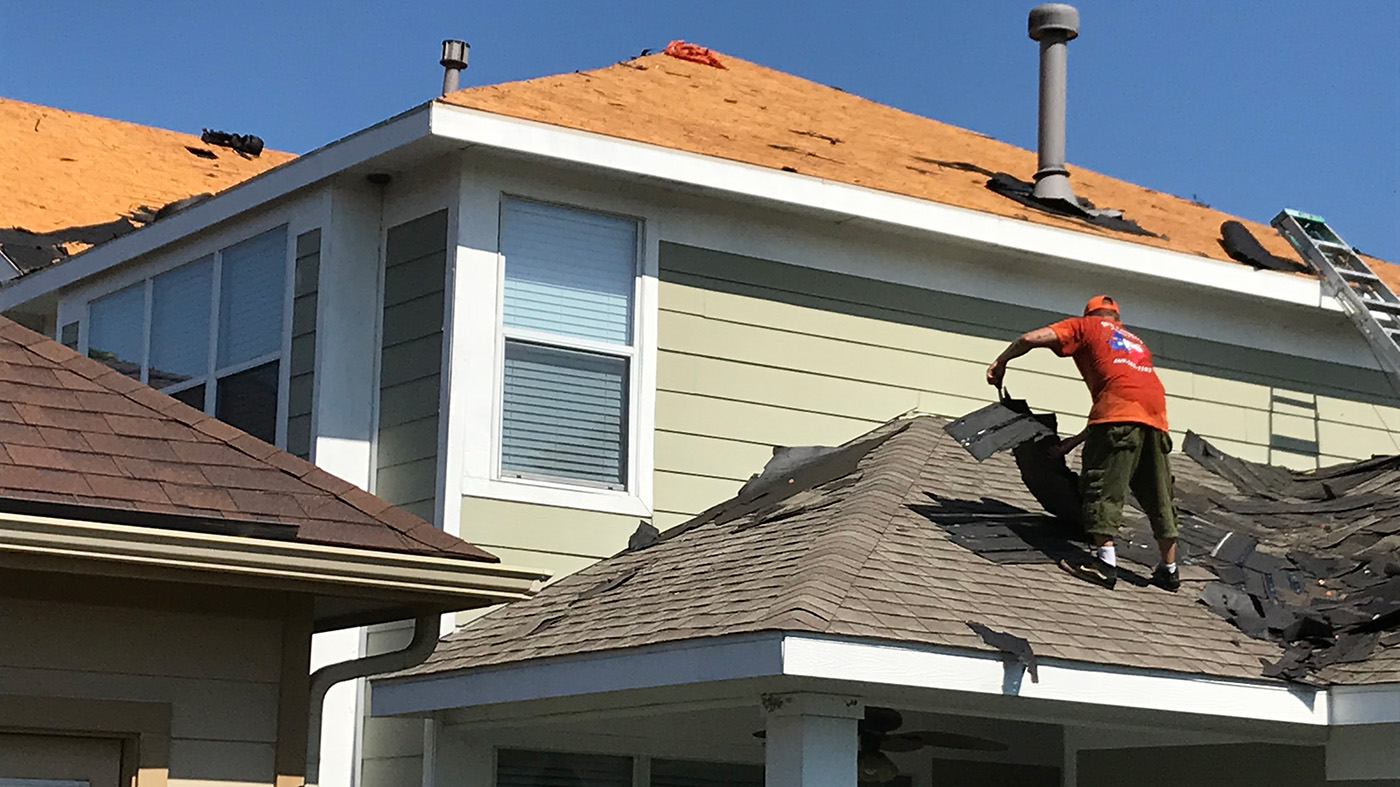
When you notice ceiling moisture, make the first conversation about investigation. Ask the professional to compare three possibilities: rain entering through the roof, a plumbing problem, and condensation. Request an explanation of what supports each possibility, what weighs against it, and what remains unknown. Avoid making the stain itself the deciding evidence.
For a Longhorn homeowner, the useful outcome is a next step tied to observations. Before discussing work, ask: “What have you established, what are you still testing, and which professional should handle the next check?” Use these questions without accessing the roof or investigating concealed spaces yourself.
Build a timeline before choosing an explanation
Start with a short record of what you actually noticed. Separate “first saw the mark on Tuesday” from “water started entering on Tuesday.” If you do not know when it began, say so. Record observations from an ordinary room position; leave roof access, attic investigation and opening finishes to professionals.
- When did you first notice it? Give the date and approximate time, and distinguish a previously visible mark from newly observed dripping.
- What was happening outside? Note whether you observed rain before, during or after the discovery, without assuming a connection.
- What was happening indoors? Record showering, laundry, cooking, plumbing use, heating or cooling around the same time.
- What happened afterward? Note whether you observed another episode and what conditions accompanied it.
Give this record to the assessor as observations, not a diagnosis. Ask which missing detail would help most. The purpose is to establish a shared sequence of events before anyone commits to one explanation.
Ask what evidence would support rain entry
In guidance about moisture problems in new schools, the EPA identifies inadequate rain and snow control leading to roof and flashing leaks as a moisture source. Use this school-design source as background on a moisture mechanism, rather than residential diagnostic guidance or a finding about your ceiling.
Ask the roofing professional: “What observed evidence connects an exterior entry point to this interior location?” Request a description of the proposed connection and any portion they could not inspect. Follow with: “Does the evidence account for the timing I recorded, or are there gaps?” These questions put the explanation ahead of a repair recommendation.
If moisture was noticed after rain, ask what additional evidence would strengthen that hypothesis. If it was noticed during dry weather, ask how the professional interprets that observation. Ask how the timing fits the property findings instead of requesting a weather-based verdict.
For a roof-focused assessment, review Longhorn’s roofing services and describe the ceiling concern when requesting a visit. Ask what the inspection can establish and what would require another trade.
Compare plumbing use with the moisture record
The EPA’s home moisture guidance identifies leaks in pipes and around tubs and sinks as moisture sources. Keep that possibility in the discussion even when your first concern is the roof.
Ask: “Are there plumbing fixtures or lines above or near the affected area, and who should verify their relationship to it?” Give the assessor your record of ordinary fixture use. Request a professionally managed investigation if testing is proposed, rather than deliberately running fixtures to recreate the problem yourself.
- “What would a plumber need to check?” This asks for a defined referral instead of a vague suggestion to call someone else.
- “Which observation favors plumbing over rain entry?” This asks the assessor to explain the comparison.
- “What result would make you reconsider plumbing?” This establishes how the investigation could change direction.
If a proposed test involves opening a finish, ask what question the opening is intended to answer and what the next step would be for either result. Request that explanation before authorizing exploratory work.
Keep condensation as a separate hypothesis
Pacific Northwest National Laboratory explains that, during cold weather, warm moist air escaping from a house or attic ducts can condense on cold attic surfaces. Ask whether the professional found evidence consistent with that mechanism at your home, rather than accepting “humidity” as a complete explanation.
In its school-design guidance, the EPA explains that summer condensation can occur on cool water pipes and ducts carrying cold air. Treat this as a physical explanation to discuss with the assessor; the school-focused document does not diagnose residential ceiling moisture.
Ask: “Which surface is suspected, what conditions were observed, and how does that explanation relate to the ceiling location?” Request a clear distinction between something the professional observed and something they propose to investigate.
According to the EPA, showering and cooking can add moisture to indoor air. Include those activities in your timeline, but ask what measurements or observations would connect indoor moisture to this particular concern. If humidity readings are proposed, ask where and when they should be taken and how the professional will interpret them.
For background, read PNNL’s cold-weather attic condensation guide, the EPA’s school-design moisture guidance, and the EPA’s home moisture guidance. Ask the assessor to identify which mechanisms warrant investigation at your property.
Request a comparison that includes uncertainty
Before selecting work, ask the assessor to summarize all three hypotheses in plain language. For each, request supporting observations, conflicting observations and unanswered questions. Ask them to distinguish “not assessed” from “checked and unsupported,” especially when a system falls outside their inspection.
Ask: “What finding would change your recommendation?” The purpose is to understand whether the recommendation depends on an assumption that still needs checking. Also ask whether the professional proposes one explanation for every affected area or separate investigations.
If professionals disagree, request the observation behind each opinion and the next check that could resolve the disagreement. Focus on a specific unanswered question rather than choosing the most confident explanation.
Agree on the next check and follow-up
End the assessment by asking who owns the next action: the roofer, plumber or a professional evaluating indoor moisture conditions. Request an explanation of why that action comes next and what its result should clarify. Ask who will bring the findings together if more than one professional participates.
Before approving corrective work, ask how the professional proposes to evaluate the result and what should trigger another assessment. Keep your original timeline available for that conversation. Use Longhorn’s website inquiry form to describe what you observed, when you observed it, and any professional checks already completed. Request an assessment that compares the evidence before recommending roof work.