Building Components
Specified framing and carpentry, subfloor, sheathing, insulation, drywall and doors or opening-related components.
Property Protection & Reconstruction
From water extraction and drying to damaged-material removal and reconstruction, Longhorn Construction Co. manages the applicable work to put your property back together.
Protect the Property
Put personal safety first. Avoid unstable areas and water around electrical equipment. Contact emergency services or the appropriate utility when conditions require. Do not climb damaged roofs or disturb potentially hazardous materials. Photograph conditions only when safe.
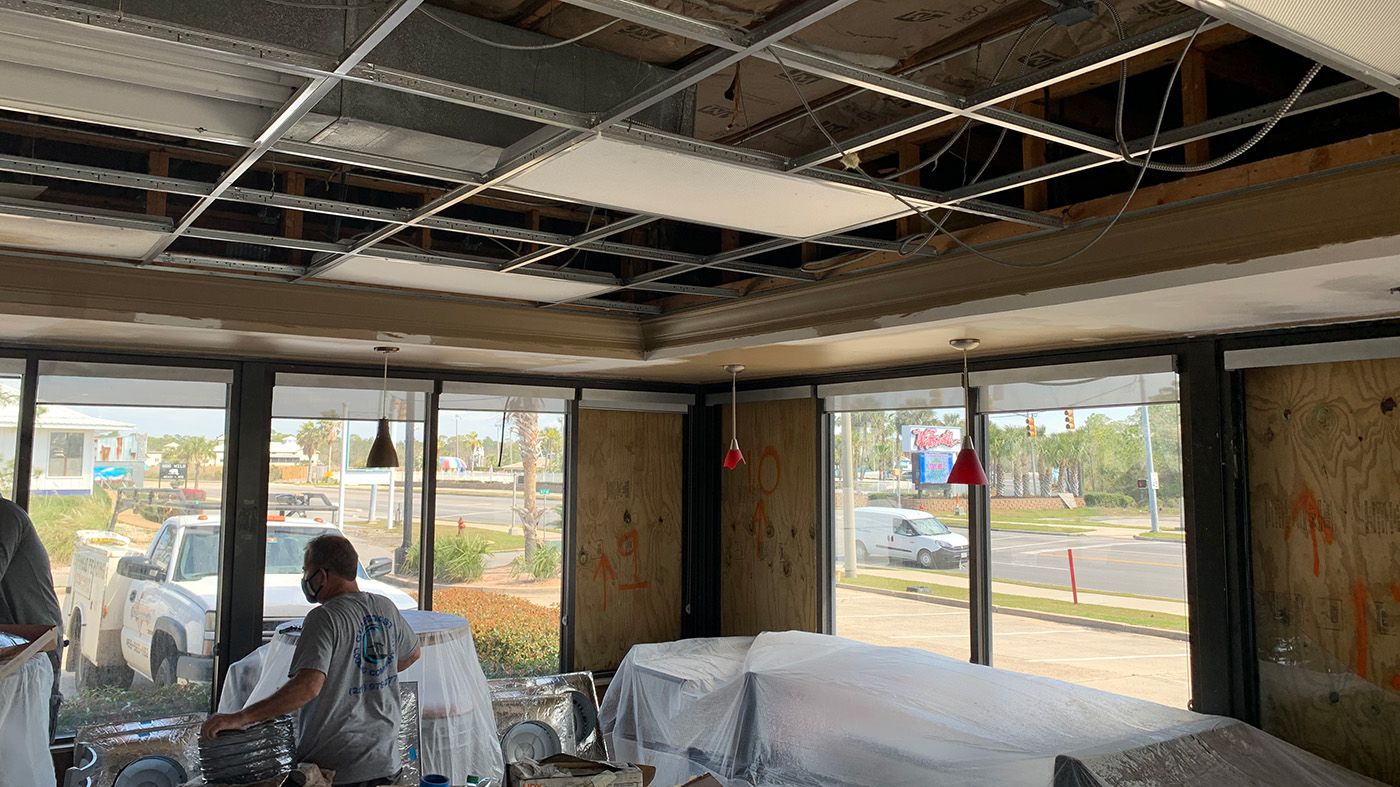
Depending on the project, temporary measures may include tarping, board-up, weather protection, exposed-area protection and initial stabilization. These measures are separate from permanent repairs and do not guarantee leak stoppage or prevention of all additional damage.
Longhorn is available 24/7. Arrival and work arrangements depend on the situation; availability is not a guaranteed arrival time.
This describes the overall process. Applicable work begins under an authorized scope; further findings may require a written scope update.
Water Mitigation & Drying
Longhorn provides the water-mitigation and drying equipment and performs the applicable work. Depending on the affected areas, this can include water extraction/removal, air movement, drying equipment, dehumidification and moisture measurement/monitoring.
A surface that looks dry is not necessarily ready to be covered or reconstructed. Evaluation may include wall cavities, insulation, drywall, flooring, subfloor, cabinetry, trim and other affected building materials.
Drying requirements depend on the materials, extent of water intrusion, concealed conditions and actual project. Longhorn uses applicable monitoring and repeated evaluation to assess construction readiness within its scope. There is no universal drying time for every loss.
From Removal to Rebuild
Some materials can be repaired; others may require selective removal. Decisions depend on condition, repairability, access, moisture/drying requirements and the written scope. Not every wet material requires demolition.
As a general contractor, Longhorn can manage the applicable construction work after mitigation and removal, coordinating the trades needed to rebuild the affected areas.
Specified framing and carpentry, subfloor, sheathing, insulation, drywall and doors or opening-related components.
Tape, bed and texture; trim; cabinetry repairs where included; interior painting; and flooring appropriate to the contracted scope.
Applicable roofing, gutters, siding and exterior repairs, windows/opening-related repairs and scoped HVAC coordination.
Longhorn manages scope, quality expectations, coordination and the customer relationship using experienced independent subcontractor crews and appropriately licensed trade providers where required. Every project does not require every trade.
HVAC work is coordinated through Longhorn's HVAC trade provider. When specifically required and included, work may involve registers, duct cleaning, equipment-surface cleaning, filter replacement or condensate-related coordination. HVAC cleaning is not required for every Restoration project.
Hail and wind can damage roofing and exterior components, create openings and allow water into interior areas. The inspection and written scope distinguish temporary protection from permanent repair, replacement and reconstruction. A storm does not automatically mean complete replacement.
Depending on the damage, the scope may involve localized roof repairs, roofing repair or replacement planning, commercial roofing work or gutters and fascia repairs.
The Longhorn Proposal/contract identifies the affected areas and authorized work. It can separately address emergency protection, mitigation/drying, removal, construction repairs, applicable trades, materials and finishes, exclusions and pricing.
Residential: planning considers occupants, affected rooms, access and the sequence of mitigation and reconstruction.
Commercial: coordination may include access, staging, occupied areas, business operations, phasing, multiple affected areas and documentation. The project plan addresses these needs without promising zero disruption.
Based in Aubrey, Longhorn serves DFW and North Texas, with project capability throughout Texas and nationwide. Learn about Longhorn Construction Co.
Longhorn documents observed construction conditions and prepares its proposed construction scope. The insurer determines coverage under the policy.
Longhorn can provide construction documentation, proposed scope and pricing, and answers to questions about its construction work. Longhorn does not determine coverage, guarantee payment, act as a public adjuster or promise claim maximization.
Longhorn does not waive or absorb insurance deductibles. For more information, read our Texas insurance-claim and deductible guide.
Longhorn's general Restoration workmanship warranty is one year from Job Completion unless the written agreement provides otherwise. When a Restoration project includes a separately contracted trade with different warranty terms, the written terms for that scope apply.
Residential Roof Replacement retains its five-year Longhorn workmanship warranty; Roof Repair retains its one-year workmanship warranty. Commercial Roofing follows its project-specific written workmanship, manufacturer, system and applicable NDL terms.
Manufacturer/product coverage is separate. The written agreement identifies the applicable scope and warranty terms.
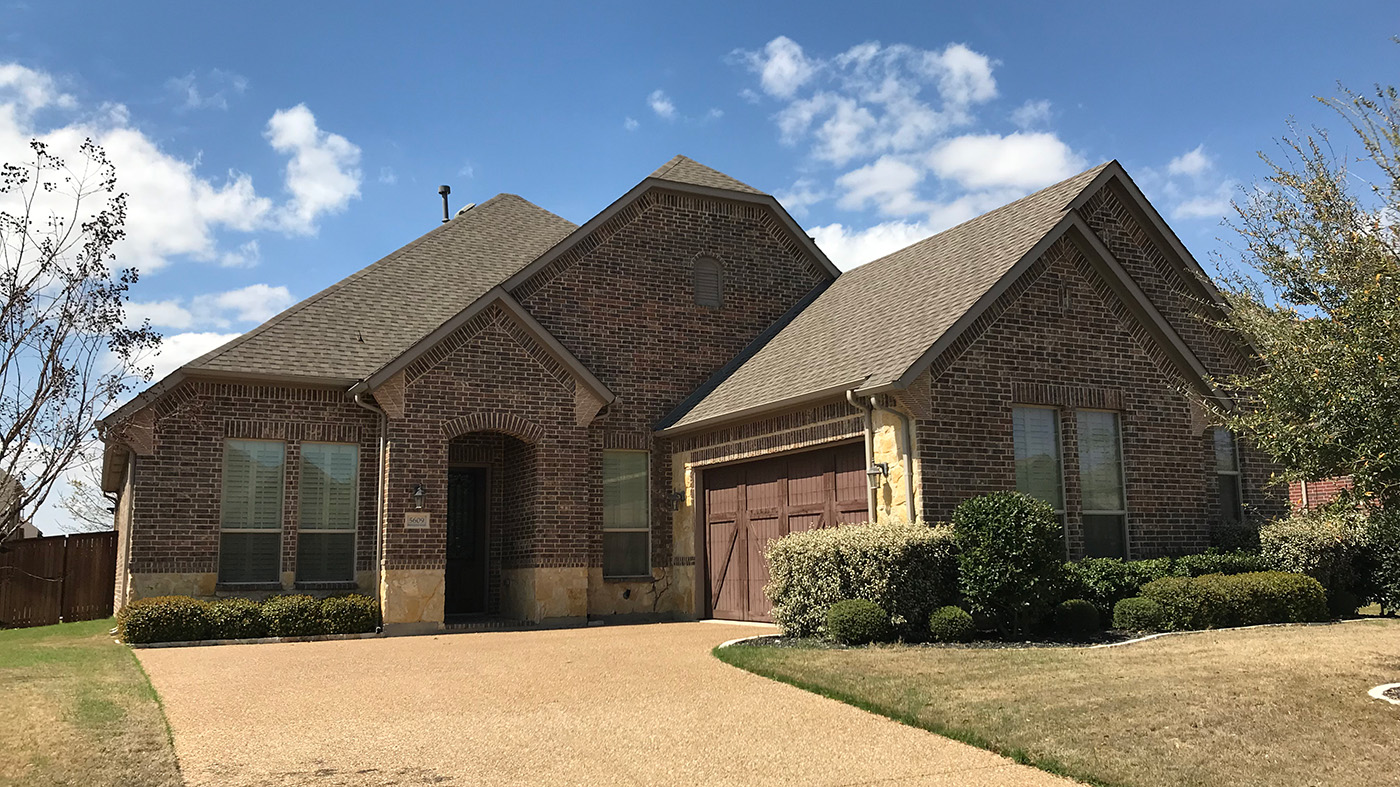
Genuine Longhorn Project Photography
Restoration brings multiple construction decisions together: affected materials, access, sequencing and the work needed to put the property back together.
The project photographs on this page show genuine Longhorn work. Your written scope defines the work for your property.
Suspected mold should be evaluated by an appropriately qualified mold professional/provider. Longhorn does not provide mold assessment, testing, treatment, removal or remediation. Any Longhorn construction repairs remain separately defined in the written scope.
Put safety first. Avoid unstable areas, wet electrical equipment and damaged roofs. Contact emergency services or utilities when necessary. Document conditions only when safe, then contact Longhorn about property protection and construction repairs.
No. Temporary protection addresses exposure while permanent repairs are evaluated and arranged. It does not replace the construction scope or guarantee against further damage.
Depending on condition and repairability, affected drywall, insulation, flooring, trim, cabinetry or other components may require removal. Not every wet or damaged material automatically needs replacement.
Yes. Longhorn can coordinate the contracted construction trades, including applicable carpentry, insulation, drywall, finishing, painting, flooring and exterior repairs. Longhorn also provides applicable water extraction and drying work before reconstruction.
Yes. Longhorn performs both, with project planning that considers access, occupants, staging and construction sequencing.
Newly exposed conditions should be documented. Additional construction work and pricing should be addressed through the applicable written authorization before scope expansion where practicable.
No. The insurer determines coverage under the policy. Longhorn documents observed construction conditions and prepares its proposed construction scope and pricing. Longhorn does not waive or absorb deductibles.