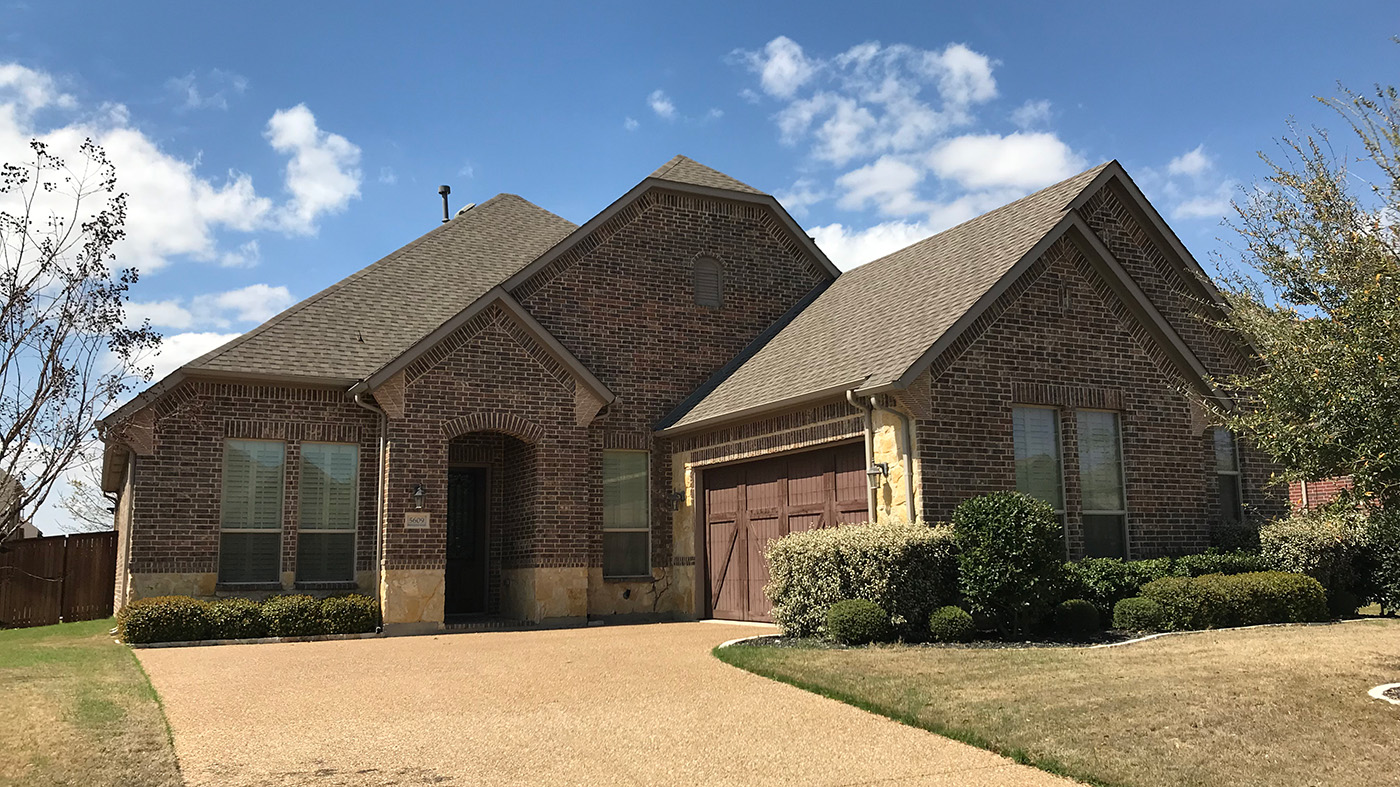
Localized Repair
Address a defined damaged area where adjacent material, replacement availability and underlying conditions allow an appropriate repair.
Define the Exterior Work, Layer by Layer
Evaluate the damaged area, select the product and define the work behind and around the siding.
Longhorn Construction Co. approaches siding as part of a defined exterior construction scope. What needs repair or replacement? What condition is the wall behind it in? How does the work meet nearby windows, roof lines and trim?
Based in Aubrey, Longhorn provides residential and commercial work in DFW and North Texas, with Texas-wide and nationwide project capability. Learn about Longhorn Construction Co. A free estimate or inspection helps establish the appropriate scope.
Address a defined damaged area where adjacent material, replacement availability and underlying conditions allow an appropriate repair.
Define one or more affected sections or elevations, including transitions to retained siding.
Consider broader replacement when the condition and extent of the work warrant it, rather than assuming isolated repairs will address widespread failure.
Select siding and related wall details for additions or new construction according to the project requirements.
The decision depends on damage extent, material condition, matching/product availability, substrate, water management and adjoining interfaces. There is no fixed age threshold, and one damaged panel does not automatically require an entire elevation or whole-house replacement.
Longhorn installs James Hardie and LP SmartSide products, along with other appropriate siding products selected for the project. Product installation does not imply manufacturer certification, preferred-contractor status or an exclusive relationship.
Painting or staining work is included only when selected and scoped; complete exterior repainting is not automatic.
Match Existing Color Where Practical. Discontinued products, changed profiles, texture, fading and weathering may prevent an exact match. Partial repairs can remain visually distinguishable. An imperfect match alone does not automatically require replacing the entire elevation.
Compare actual product documentation for performance and maintenance requirements. No one material is universally best, and product characteristics are not a Longhorn guarantee of storm resistance, a fixed service life or freedom from maintenance.
The visible siding is only one part of the exterior wall. Depending on the project, the scope may involve cladding, trim/corners, flashing, sealants, a weather-resistive barrier (WRB), sheathing/substrate and framing repairs where damage is identified. Not every layer is replaced on every project.
The weather barrier works with flashing and other details to manage exterior water. Applicable scope may retain suitable existing WRB or specify new housewrap, an integrated system, flashing-tape integration, seam treatment and drainage-plane preparation. Existing conditions and selected-product requirements determine the approach.
Neither siding nor housewrap alone is a guarantee that a building is waterproof. Cladding, weather barriers, air sealing and insulation have distinct roles; insulation is addressed only where included in the project. No utility savings or comfort result is promised.
Window and door openings may require defined trim, flashing, head/drip details, sealants and interface work. Siding replacement does not automatically include Window Replacement or repair, and damaged interface conditions should not be concealed behind new siding.
Roof lines, dormers, chimney chases and wall intersections may require evaluation of clearances and flashing. Roof Repair or related Roofing work is separately scoped when involved; there is no universal flashing detail for every intersection.
Replacing siding does not automatically fix a water leak. Water can involve windows, doors, roof/wall intersections, penetrations, flashing, weather barriers or other surrounding construction. Evaluate the relevant conditions before defining the repair.
The Proposal identifies full, partial or repair-area removal, or no-removal/new-construction work, together with protection, debris removal and cleanup. Every project does not require full tear-off.
Removal can expose deteriorated sheathing/substrate, framing damage, previous water intrusion, missing or damaged WRB, flashing problems, pest damage or improper previous installation. These conditions are possible, not assumed on every project.
Document, define, price and authorize applicable additional work before scope expansion where practicable. Sheathing replacement is not automatically included. New siding should not simply hide damaged construction, and repairing an area is not a guarantee against every future problem.
Residential: localized repairs, elevation replacement, broader exterior replacement and trim/finish coordination.
Commercial: ordinary siding/cladding projects with attention to access, staging, occupied-property coordination, phasing and written specifications.
Longhorn manages scope, quality expectations, coordination and the customer relationship using experienced independent subcontractor crews and appropriately licensed providers where required.
For damage-related restoration work, Longhorn documents observed construction conditions and prepares its proposed construction scope. The insurer determines coverage under the policy. Storm damage alone does not establish coverage or require replacement of every affected elevation.
The written Longhorn Proposal establishes actual pricing. Affected area, product/profile, removal, substrate repairs, WRB, flashing, openings, trim, finish, access, disposal and complexity affect the price. Review financing information where helpful for planning.
Timing is project-specific. Material ordering may be separate from on-site construction and field Painting/finish work. Scope size, product availability, removal, concealed repairs, weather and access affect the schedule.
Permit, inspection, HOA and architectural/color-approval responsibilities should be defined for the project rather than assumed.
Longhorn's Siding workmanship warranty is one year from Job Completion unless the written agreement provides otherwise.
Manufacturer/product coverage and factory-finish coverage remain separate. Field-applied Painting/coating coverage follows the applicable written scope and terms. Separately contracted related trades retain their own written warranty terms.
Evaluate the extent of damage, existing material condition, available replacement products, substrate and surrounding interfaces. Localized damage does not automatically require whole-house replacement, while isolated repairs may not address widespread failure.
Yes, where appropriate to the condition and scope. Longhorn provides localized repair, partial/elevation replacement, full exterior replacement and new installation. Product availability, matching and surrounding construction help determine the approach.
Document the condition and define the required work. Repairs beyond the accepted scope should be priced and authorized before expanding work where practicable. New siding should not simply conceal damaged construction.
It forms part of the exterior wall water-management system, working with flashing and other details. The scope may retain suitable existing material or specify new material and integration work according to the conditions and selected system.
Not always. Discontinued products, changed profiles, texture, fading and weathering can limit matching. The scope follows Match Existing Color Where Practical; partial repairs may remain visually distinguishable without automatically requiring an entire elevation to be replaced.
Areas/elevations, repair or replacement extent, quantities, manufacturer/product, material, profile/exposure, texture, finish, removal, substrate work, weather barrier, flashing/interfaces, trim, sealants, painting, exclusions, price and additional-work terms.
No. Water intrusion can involve windows, doors, roofing, flashing, penetrations, weather barriers or other adjoining construction. Evaluate the relevant conditions and interfaces before defining the repair.