Component Repair
Appropriate standalone repairs may address hardware/locks, sash or operator mechanisms, screens and weatherstripping/seals. Suitability and replacement-component availability must be evaluated.
The Window and the Opening, Considered Together
Evaluate the problem, select the right scope and define the work around each opening before installation.
A draft, fogged pane, sticking sash or damaged screen does not automatically call for a complete new window. Longhorn Construction Co. evaluates the existing unit and surrounding construction to help define the appropriate repair or replacement scope.
Based in Aubrey, Longhorn serves DFW and North Texas, with project capability throughout Texas and nationwide. Learn about Longhorn Construction Co. Free estimates and inspections help establish the next step.
Appropriate standalone repairs may address hardware/locks, sash or operator mechanisms, screens and weatherstripping/seals. Suitability and replacement-component availability must be evaluated.
Replace the glazing unit where appropriate while retaining applicable existing components. Not every failed insulated-glass unit can be economically repaired.
Replace the selected window unit using the defined installation approach. A new unit does not automatically include reconstruction of everything around it.
Address surrounding framing, sill or other construction damage when identified and included in the scope.
Fogging and condensation are different clues. Fogging between panes can indicate an insulated-glass/seal condition. Room-side surface condensation can be affected by indoor and outdoor conditions. Neither a website checklist nor window age alone determines the right repair, and replacement does not eliminate all condensation.
Longhorn is not limited to one window manufacturer or style. Selection follows the opening, project requirements, desired features and written Proposal. Manufacturer flexibility does not mean every product fits every opening or every feature is available from every manufacturer.
Frames: vinyl, aluminum, fiberglass, composite, wood, clad wood and other supported systems are selected for the opening, appearance, maintenance expectations, product availability and scope. No material is universally best.
Glass: product-dependent choices may include single-, double- or triple-pane configurations, insulated glass, Low-E coatings, air/argon fills, tint, laminated glass and privacy/obscured glass. Tempered or other required safety glazing is a project/code consideration distinct from an optional performance upgrade.
Details: confirm interior/exterior colors, screens, grids and available hardware/components with the selected product. Any noise or security feature must be evaluated for that configuration; it is not a universal result.
Compare the complete selected window, not just a frame material or one glass feature. Frame, glazing, Low-E selection, installation, orientation/exposure, existing building conditions, HVAC and occupant usage can affect results.
Compare the actual product's ratings and applicable requirements. NFRC ratings and ENERGY STAR certification relate to qualifying products, not Longhorn as a contractor. There is no universal target rating or promised reduction in utility bills, payback period, indoor temperature or comfort improvement.
Preliminary measurements require field verification against the selected product and manufacturer requirements before final ordering. Opening dimensions are not automatically manufacturing dimensions, and not every replacement is custom manufactured.
The method may involve insert/pocket replacement, full-frame replacement, new-construction/nail-fin installation, an opening modification or glass/IGU-only work. Existing frame condition, exterior interfaces, the product and contracted scope determine the approach.
Order lead time and on-site installation are separate. Measurement, ordering, manufacturing where applicable and delivery precede installation. Quantity, availability, opening conditions, access, method and finishing affect the project-specific schedule.
The opening matters as much as the replacement unit. Replacing the unit without considering its surroundings can miss part of the construction problem.
Applicable work may address opening preparation, sill/head flashing, flashing tape, accessible weather-barrier integration, drainage-plane conditions, insulation, foam/backer rod, sealant and exterior interfaces. The assembly follows the existing construction, selected product and written scope; one installation detail does not fit every opening.
Not every opening requires reconstruction. Water management must consider surrounding construction, and replacing a window is not a guarantee against every future source of water intrusion.
Removal may expose deteriorated framing, sill/substrate damage, damaged sheathing, prior water intrusion, improper previous installation, damaged trim or exterior-interface conditions. These are possibilities, not a claim that every opening contains hidden damage.
Document, define, price and authorize work outside the accepted scope before expanding it where practicable. Damaged surrounding construction should not simply be concealed behind a new unit.
The Proposal should identify applicable casing/trim, jambs, sill/stool/apron, drywall, texture, painting/staining, exterior trim/wrap, siding, masonry/stucco interfaces and sealant work. Painting and finishing or siding interface work may be separately scoped. Complete wall/trim repainting and exterior reconstruction are not automatic inclusions.
Existing-unit removal, property protection, haul-off, disposal and cleanup should also be identified. The extent depends on the project.
Residential: individual openings, multiple-window or whole-home replacement, glass/IGU work and applicable opening/finish work.
Commercial: ordinary window replacement with attention to access, occupied-property coordination, staging, phasing and product/specification requirements.
Plan interior/exterior access, clearance around the work and protection of nearby finishes. Longhorn manages scope, quality expectations, coordination and the customer relationship using experienced independent subcontractor crews and appropriately licensed providers where required.
For damage-related restoration work, Longhorn documents observed construction conditions and prepares its proposed construction scope. The insurer determines coverage under the policy.
Applicable safety glazing, egress, permit/HOA and code-review responsibilities should be established for the project rather than assumed.
The written Longhorn Proposal establishes actual pricing. Quantity, opening size, product, frame, glass, accessories, finish, method, access, repairs, disposal and complexity affect the price. There is no universal per-window or whole-house figure. Review financing information where useful for planning.
Longhorn's Window workmanship warranty is one year from Job Completion unless the written agreement provides otherwise.
Manufacturer/product coverage is separate and governed by the selected product's written terms. Do not assume the same glass, frame, hardware or seal coverage applies to every product.
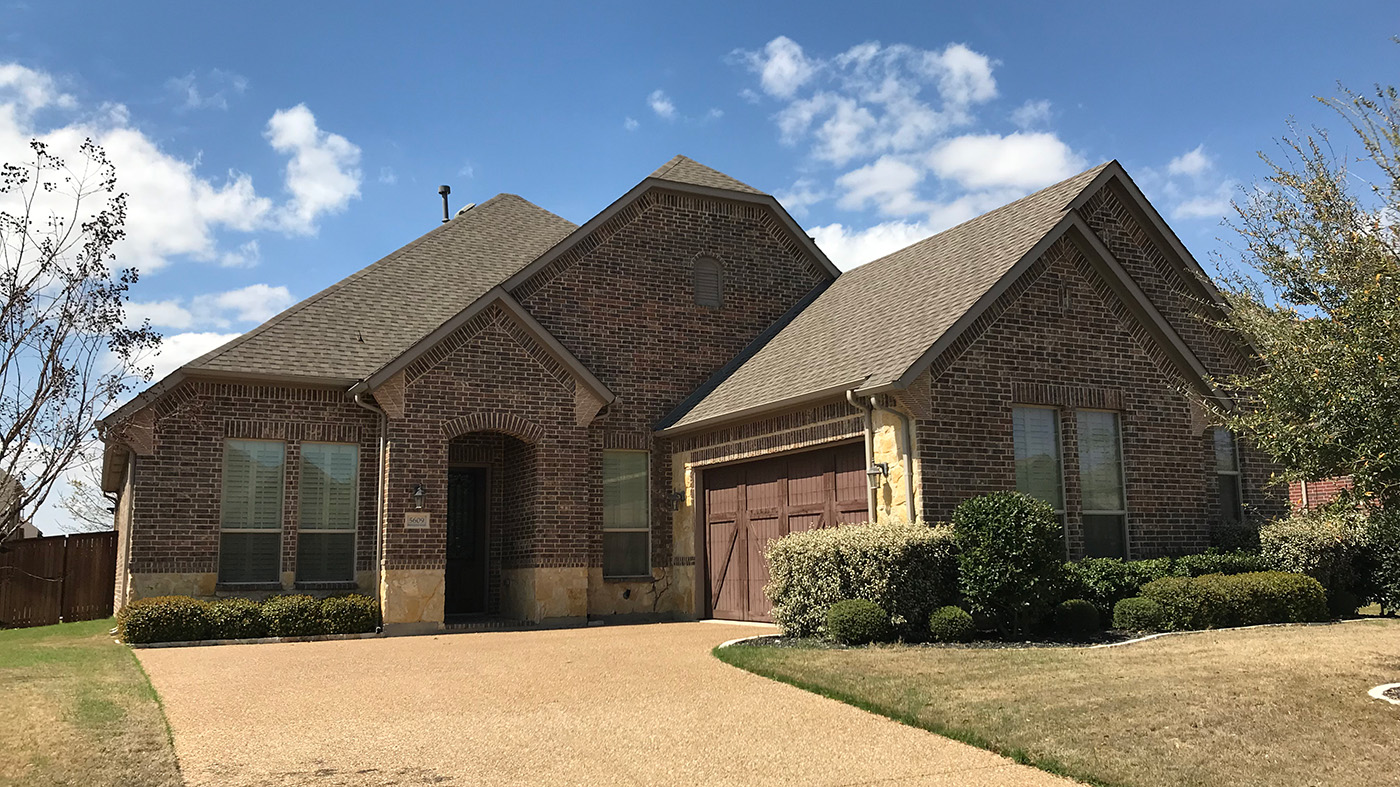
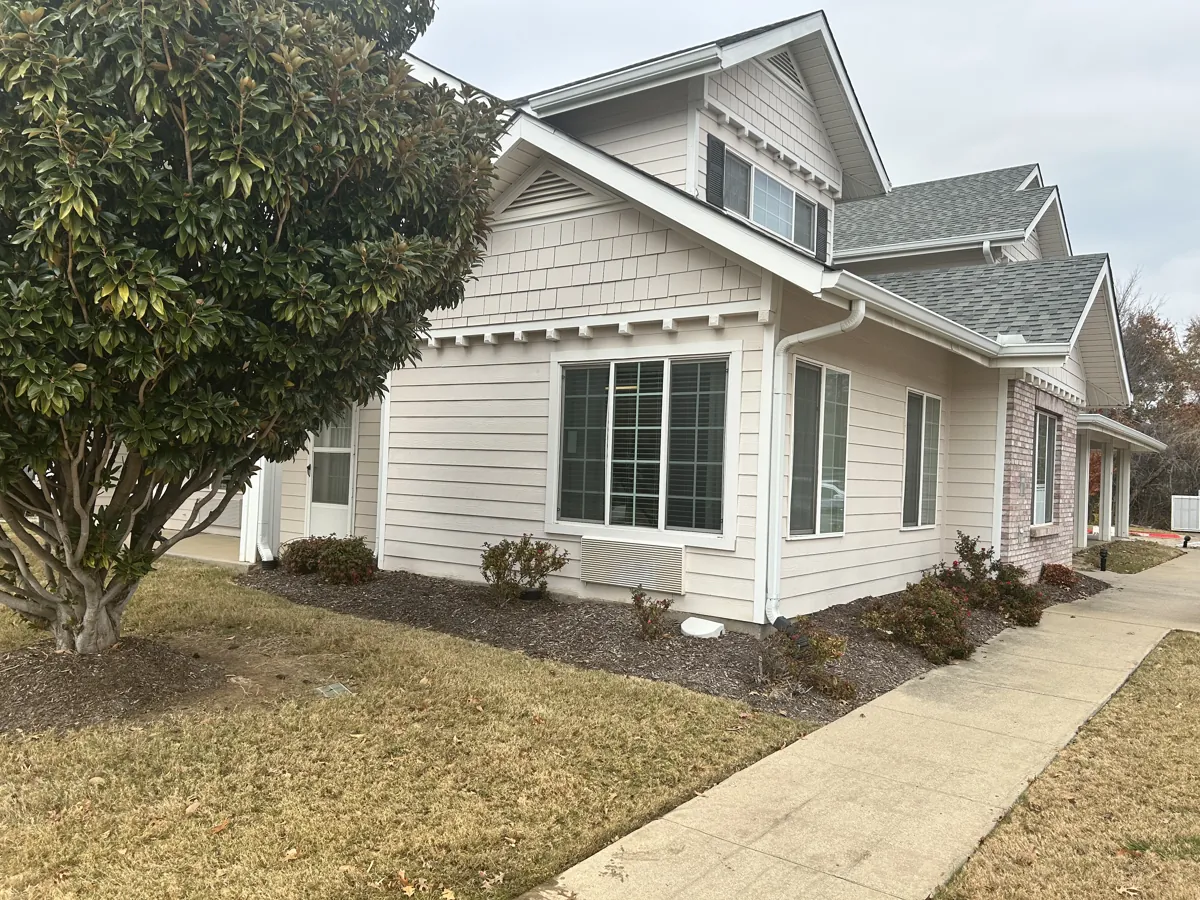
Genuine Longhorn project photographs show window work and exterior context. Captions describe visible content rather than unverified product specifications.
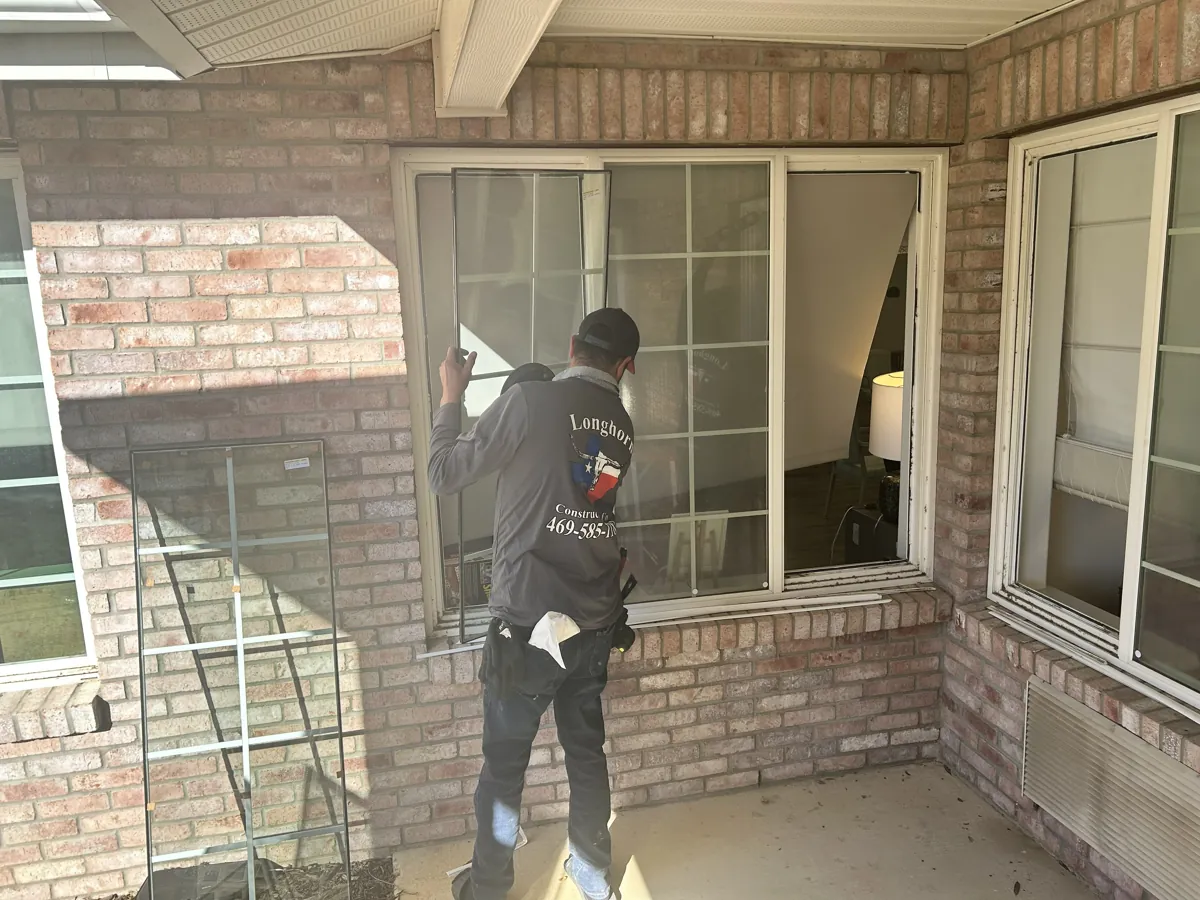
Not necessarily. Fogging between panes can indicate an insulated-glass or seal condition. Glass/IGU replacement may be appropriate while retaining applicable existing components. The glazing, operation, frame and opening should be evaluated; room-side surface condensation can have different causes.
Compare the selected manufacturer/product, dimensions, operation, frame, glass package, product ratings, finishes, installation scope and warranties. Longhorn is not limited to one manufacturer or style; suitability and available features depend on the selected product and opening.
No. Pane configuration, Low-E coating, gas fill and other features depend on the selected product and project requirements. Required safety glazing is distinct from optional performance selections.
Low-E is a coating used within the glazing system to influence heat transfer and solar performance. U-factor describes heat transfer through the window assembly; SHGC describes solar heat admitted through it. Compare the actual selected product ratings rather than assuming one specification fits every project.
The condition and required work should be documented and defined. Repairs beyond the accepted scope should be priced and authorized before expanding the work where practicable. Surrounding damage should not simply be concealed behind a new unit.
Opening locations, quantities, verified measurements, product and glass selections, installation method, opening preparation, water-management details, removal/disposal, finishing, exclusions, price and additional-work terms.
No. Results depend on the selected window, installation, orientation and exposure, existing building conditions, HVAC and occupant usage. Compare product ratings and the complete installation scope without assuming a specific savings or comfort improvement.