
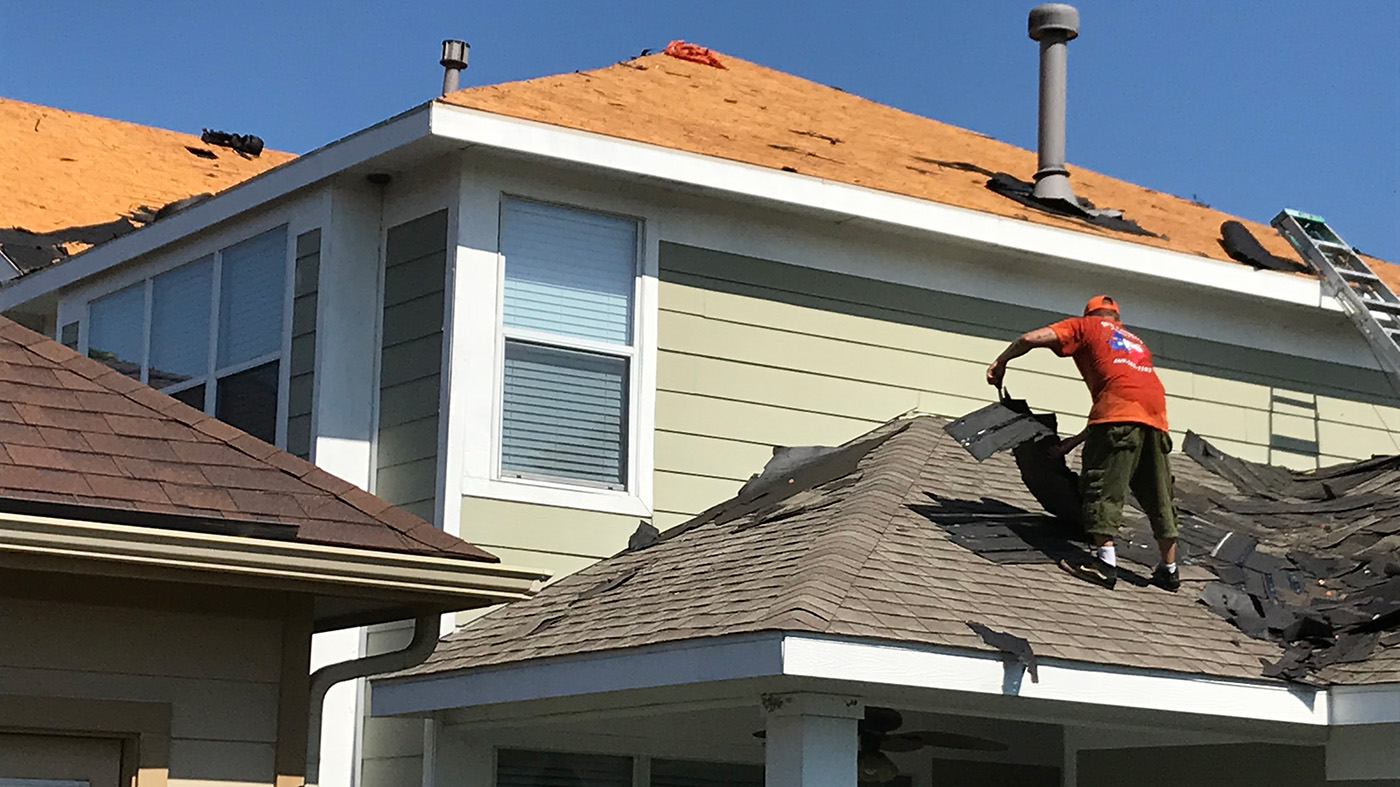
If you own a home and also oversee a small commercial property, approach a roof drainage proposal with a written list of questions. Ask the contractor to connect each proposed task to a documented finding and identify what still needs investigation. Keep your own observations indoors or at safely accessible ground locations; leave roof access and inspection to professionals.
Use this guide to organize a scope discussion with Longhorn or another contractor. Request answers beside the relevant proposal items, and keep unresolved questions on a separate list before choosing work.
Which references apply to this commercial building?
Start by asking what technical information the contractor used. The PNNL resources linked below address existing homes and residential gutters; use them as background for discussion. Request references applicable to your commercial building before accepting a drainage design, capacity assessment or alternate drainage recommendation.
- Which commercial drainage references support the proposed approach for this property?
- Who will evaluate the design, and what written explanation will I receive?
- Which conclusions remain preliminary until that evaluation is complete?
The purpose is to establish the basis of the proposal. Ask the contractor to identify the relevant document and explain how it applies to your roof. Keep any unresolved design questions open rather than treating a residential example as a completed commercial assessment.
Where is water intended to travel?
In its existing-home guidance, PNNL explains that low-slope roofs should direct rainwater toward drains, scuppers or roof-edge outlets. Ask the inspector to show the intended route on a drawing of your building, using labels that also appear in the inspection photographs.
- Which roof area serves each outlet, and can you mark its boundaries?
- Where did you observe remaining water, and when was that observation made relative to rainfall?
- What evidence supports the proposed explanation, and what further investigation is needed?
These questions create a shared reference for the review. Ask for a precise location whenever the estimate mentions a problem corner or rear drain. Request separate labels for observed conditions and proposed changes so the drawing records both clearly.
What did the inspection establish?
Request a distinction between firsthand observations, information from your records and conclusions awaiting confirmation. Supply existing reports and dated photographs you already have. Ask the inspector to explain how those records informed the assessment.
- Which proposed work areas were examined, and which were inaccessible?
- Can each finding be matched to a dated photograph or inspection note?
- What additional investigation would answer the remaining questions?
- Who will update the proposal after that investigation?
The purpose is to understand how much confidence to place in each scope item. Ask for inspection limitations in writing. For an uncertain condition, request the next investigative step, the expected documentation and the decision that will follow it. Avoid filling gaps in the report with your own diagnosis.
Which flashing details are included?
PNNL's existing-home guidance identifies roof penetrations as possible water-entry locations. The same guidance recommends continuous integration between penetration flashing and the roof's water-control layer. Use these principles to ask for property-specific inspection evidence.
- Which penetrations, equipment curbs and roof-to-wall connections were examined?
- What condition did you document at each detail included in the proposal?
- Which nearby details are excluded, and what is the reason?
- What completion photographs will identify the work performed?
These questions clarify the boundaries of the job. Request separate descriptions for proposed drainage work and flashing work, with an explanation of the finding each task addresses. Ask whether an excluded detail needs another assessment before you choose the scope.
Where does the proposed assessment end?
Ask the contractor to trace the proposed drainage review beyond the roof outlet. Request a property drawing that identifies the visible route, the proposed endpoint of the work and any connections that were outside the inspection.
- Which outlets and downstream connections were inspected?
- Where does your proposed work end?
- Which concealed connections remain unassessed?
- Should another professional evaluate any part of the route before this proposal is finalized?
The purpose is to assign responsibility clearly. If the proposal includes a capacity or alternate drainage review, ask for the commercial references, property measurements and written assessment supporting it. If that review is excluded, request a clear statement of the unresolved question and who should address it.
How were indoor observations considered?
EPA's moisture-control guidance for school buildings identifies roof and flashing leaks among potential causes of indoor moisture problems. Ask the inspector how your indoor observations were considered, while keeping the source's school-building context in mind.
- Which reported indoor locations did you review alongside the roof findings?
- What evidence supports a connection, and what remains uncertain?
- Does any concern need evaluation by another professional?
Prepare a dated record of what you noticed and where. Describe the observation without assigning a cause. Ask the contractor to state which questions the roofing inspection answered and which remain outside its scope. Keep those answers with the inspection report.
What exactly will the written scope include?
Request a numbered proposal and review it beside the labeled photographs. Use the same questions for each contractor so you can compare the proposed work consistently.
- Which documented finding does each task address?
- What locations, materials and completion records are included?
- Which items involve investigation, maintenance, repair or proposed replacement?
- What is excluded, and what decision remains with the owner?
- How will proposed changes be documented for your review before additional work proceeds?
For an item described only as drainage improvements, request named work locations and an explanation of the intended result. Ask what follow-up review is included and how outstanding concerns will be recorded. Keep the final scope and its supporting documents together.
Prepare your Longhorn scope discussion
Gather prior reports, dated observations and your unanswered questions. Review Longhorn's commercial roofing services, then use the website inquiry form to request a discussion about your property and proposed scope.
Background sources include PNNL's residential guidance on roof penetrations and water management and EPA's institutional guidance on moisture control in school buildings. Ask for applicable commercial drainage evidence before making design or capacity decisions.