
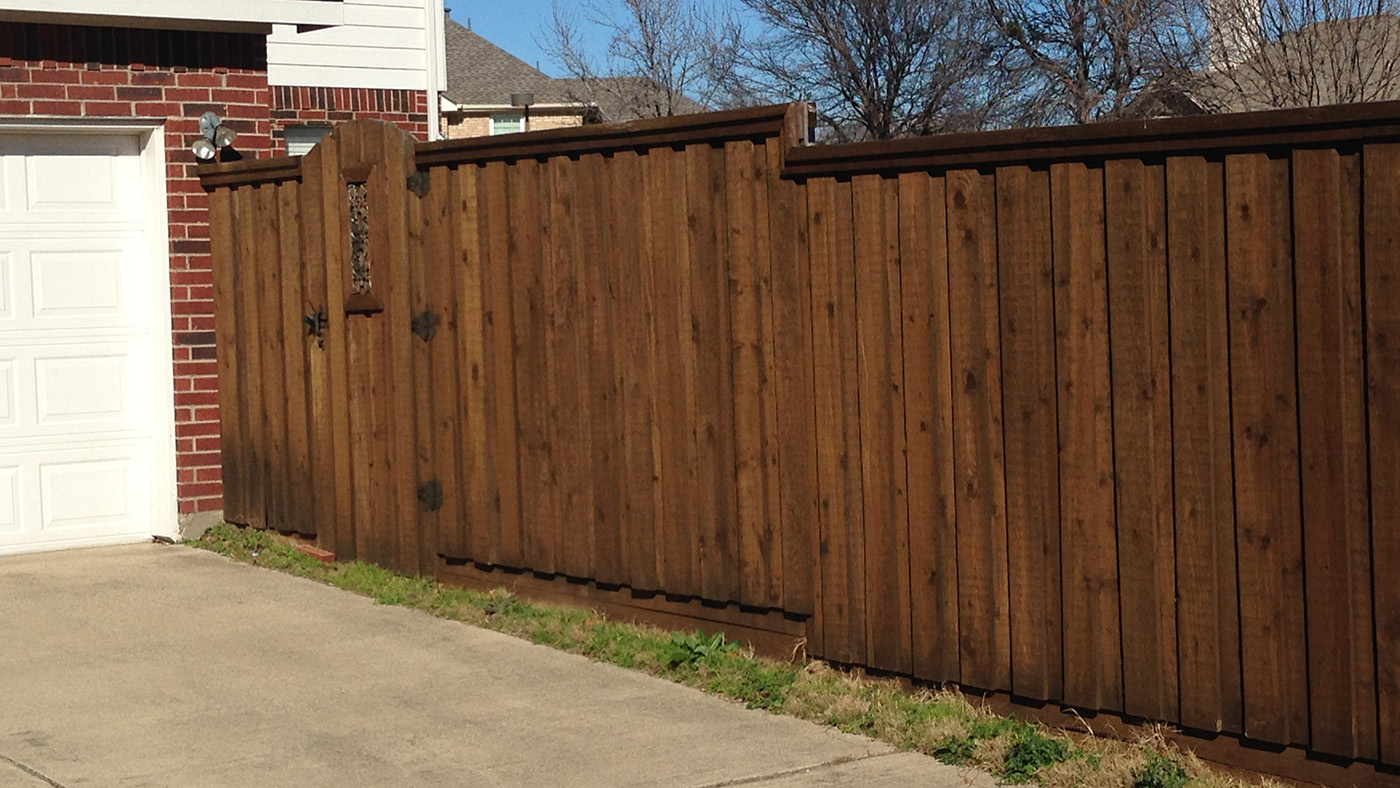
A fence estimate should help you picture the finished job. For a North Texas homeowner comparing repair with replacement, start with a practical question: what work does each option actually buy? Ask for proposals that identify the affected sections, retained components, gate work, finish work and cleanup. Then compare those details against your priorities for privacy, appearance and everyday use.
Use the questions below during a professional inspection and when reviewing written proposals. Request observations tied to specific locations, along with an explanation of any uncertainty. You do not need to diagnose the fence yourself to ask for a clear recommendation.
Define the boundaries of each option
Ask the contractor to mark the proposed work on photographs or a simple sketch. Give each fence run and gate a recognizable label, such as driveway gate, rear boundary or patio side. Use those labels when discussing quantities and exclusions instead of relying on a phrase such as repair damaged areas.
- Which exact sections would be repaired, and where would replacement begin and end?
- Which posts, rails, boards or metal components would remain?
- Does replacement mean one section, one complete run or the entire fence?
- What does the proposal exclude, and why?
The purpose is to establish comparable boundaries. If one proposal covers the rear fence and another covers every side, request a revised comparison before deciding. Ask for the same marked layout to accompany both options so you can identify what the additional work includes.
Ask what supports the repair recommendation
For every component proposed for reuse, ask what the contractor observed and what remains uncertain. Request close photographs of the locations behind the recommendation, taken by the inspector. Ask the contractor to distinguish an appearance concern from a concern about continued use, and explain the reasoning in ordinary language.
- What observations support keeping these posts and rails?
- Were the connections and adjacent sections included in the inspection?
- Which areas could not be evaluated during the visit?
- What finding would change the recommendation from repair to a broader replacement?
Use these questions to make the recommendation reviewable. When someone says everything else looks fine, ask which components that statement covers. Where an area remains unexamined, request a written next step and an explanation of how additional work would be presented for your review.
Give gates their own scope
Describe your gate concerns through everyday use: where you notice dragging, difficulty latching or an opening that feels inconvenient. Ask the inspector to observe the gate in operation and explain the proposed work. Keep your desired outcome specific, such as a gate that opens through the agreed travel and closes using the selected latch.
- Does the proposal include the gate, its supporting posts, hinges and latch?
- Which parts would be adjusted, reused or replaced?
- What opening width and direction of swing are included?
- How will we review gate operation together when the work is finished?
The purpose is to avoid leaving gate work implied within a general fence description. If you want a different opening or hardware arrangement, ask for it as a separate item. Review that requested change separately from the work recommended to address the existing concern.
Specify wood materials and appearance
For a wood fence, request the proposed wood species, component dimensions and treatment information in writing. According to the EPA’s overview of wood preservatives, preservative products address degradation associated with fungi and wood-destroying insects. Consult the EPA’s wood-preservative overview for background, and ask which product information supports the contractor’s selection for each proposed use.
- What material is specified for each new post, rail and board?
- What treatment information will accompany the new lumber?
- How will the proposed repair look beside the retained fence?
- Does the scope include staining or other finish work, and over which surfaces?
Ask for a sample or a clearly identified reference when appearance matters to your decision. Specify whether your preference is to preserve the existing layout or change the height, top profile or spacing. Make those choices explicit before comparing totals, and ask the contractor to identify any appearance questions that remain unresolved.
Separate metal repairs from coating work
For a metal fence, ask the contractor to identify the material and existing finish before describing the repair. The American Galvanizers Association explains that touch-up methods for hot-dip galvanized coatings do not provide the same corrosion protection as hot-dip galvanizing. Its guidance on damaged galvanized coatings provides background for asking how that distinction applies to the particular fence being inspected.
- What metal and coating have you identified, and how?
- Which components need physical repair or replacement?
- What surface preparation and coating work are included?
- What finished appearance should I expect at repaired locations?
Request separate descriptions for component work and finish work, then compare both with the concerns identified during the inspection. If reuse is proposed, ask for the basis: the association’s guidance on older steel describes refurbishment and hot-dip galvanizing as possible when the steel is structurally sound and suitable for its intended purpose. Review its discussion of older steel as context for the contractor’s explanation, and ask whether that process is actually part of the proposed scope.
Compare the complete written proposals
Put the repair and replacement proposals beside the marked layout. Review the same categories in each, and ask the contractor to fill in missing details. Wait to compare totals until you understand what each proposal includes.
- Quantities: Request lengths, component counts and gate quantities.
- Materials: Request identifiable selections and dimensions.
- Removal: Ask exactly what will be removed and hauled away.
- Finish: Identify included surfaces and the proposed finish.
- Site work: Ask about access, nearby landscaping and cleanup.
- Uncertainty: Request a process for reviewing newly discovered work.
Ask what additional work the replacement option includes, and which existing components the repair option retains. Then consider whether those differences match your priorities. You may prefer to preserve a particular layout, address a gate concern or pursue a more consistent appearance; make that preference part of the written discussion.
Request a recommendation you can evaluate
Ask for a recommendation that connects observed conditions to a defined scope, with unresolved questions clearly identified. Before accepting a proposal, review the layout, materials, gate details, finish expectations and cleanup together. Request corrections wherever the written description differs from your understanding.
Explore Longhorn’s fencing services when planning the inspection. To start a scope discussion, send Longhorn an inquiry describing the affected fence sections, your gate concerns and whether you would like repair and replacement options compared. Include your priorities so the conversation begins with the result you want to evaluate.