
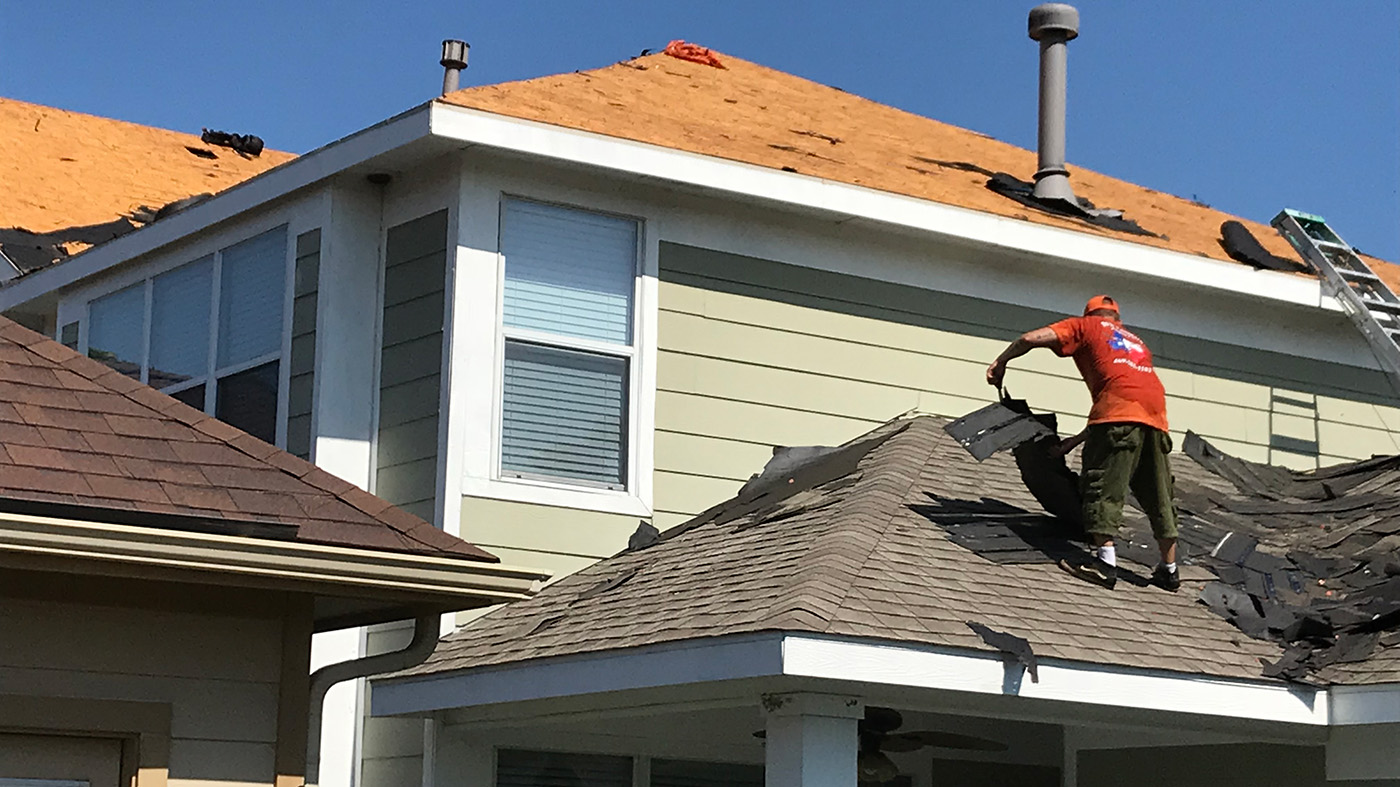
When you arrange a roof inspection for your Dallas–Fort Worth home, ask for a specific explanation of the flashing at walls and chimneys. Request photographs, location labels and a written account of what the inspector could verify. You should be able to connect each recommendation to a finding on your own home.
Use the questions below during the inspection review. Leave roof access and close examination to the professional; your role is to share observations, review documentation and ask for clear answers before deciding on proposed work.
Start with a map of the inspection
Which roof-to-wall connections and chimney faces did you inspect? Ask the inspector to identify each location on an overview photograph or simple sketch. Use recognizable labels, such as the garage wall, rear dormer or driveway side of the chimney. This gives you a reference for the close-up photographs and the written proposal.
Follow with these questions to establish the scope:
- Which locations were examined closely, and which were viewed only from a distance?
- Were any areas inaccessible or concealed?
- Can you label each finding with its location and photograph number?
- Does the report distinguish observed damage, suspected problems and details that remain unverified?
Request an explicit entry for anything the inspector could not assess. Avoid treating an unmentioned location as a completed inspection. If your original concern was a stain or recurring drip, have the report identify that concern separately from the inspector's conclusion.
Ask how wall flashing connects to surrounding materials
PNNL's Building America Solution Center explains that flashing should overlap with roof and wall drainage layers so water does not drain behind the lower layer. Its guide to flashing at existing roof-wall intersections provides the technical background for this discussion.
What evidence shows how the flashing connects to the wall's water-control materials and the roofing? Ask the inspector to describe the visible connections and identify any concealed portions. The purpose is to understand the basis for the assessment, including its limits.
For an asphalt shingle roof, ask whether the report identifies step flashing and documents its condition. PNNL describes step flashing as individual metal pieces interwoven with or positioned beneath the adjoining shingles. Ask which parts the inspector actually observed, whether any concerns involve those pieces, and what additional examination would be needed to answer unresolved questions.
Follow the drainage route at the bottom of the wall
According to PNNL, kick-out flashing redirects roof runoff away from the adjoining wall and into a gutter. See its step and kick-out flashing guide for supporting illustrations.
Can you show me the bottom of this roof-wall connection and explain where the water is intended to go? Request a photograph that includes the wall, the end of the flashing and the nearby gutter. Use these follow-up questions to make the recommendation specific:
- Is a kick-out diverter present at this location?
- Did you find holes, open seams or an apparent problem with its size or direction?
- What observations support your assessment of its connection to the surrounding flashing?
- Does the proposed work include any related gutter or wall work?
Ask for separate documentation of the diverter and the adjacent wall. This helps you understand whether the proposal addresses one identified detail or several related concerns.
Have chimney flashing explained by face and function
What type of chimney enclosure do I have, and which flashing details are you evaluating? Ask the inspector to name the roof-facing side, downhill face and both side faces in the report. Request findings for each face rather than accepting a single unlabeled chimney photograph.
PNNL's chimney guide describes a brick-chimney flashing arrangement with base flashing, step flashing and counterflashing. In that arrangement, counterflashing extends into mortar joints and overlaps the base and step flashing. The chimney guide supplies context for those terms.
Ask the inspector to point out which components are visible on your chimney and explain any differences from that arrangement. If the chimney is enclosed with siding, ask which details apply to that enclosure. This keeps the discussion tied to your home.
How is runoff handled on the uphill side? PNNL describes a chimney cricket or saddle as a feature that diverts rainwater around the chimney. Ask whether one is present, whether the inspector recommends further evaluation of that area, and what evidence supports any proposed change.
Separate exterior clues from confirmed findings
PNNL cautions that fiber cement, vinyl siding and brick veneer can conceal signs of water intrusion for years. Ask how that limitation affects the confidence of this particular inspection.
Are you reporting a visible condition, a suspected source or confirmed damage? Request that distinction beside each photograph. If you have noticed discoloration indoors or outdoors, share its location, when you first noticed it and any dated photographs you already have. Ask the inspector to explain whether the available evidence establishes a connection to the flashing.
If more investigation is recommended, ask what question it would answer, who would perform it and what access it would require. Request a separate description of any proposed opening of finished surfaces before agreeing to that work.
Turn the findings into a defined written scope
Exactly which finding does each proposed repair address? Ask for the same location labels in the report and estimate. A description such as “repair chimney flashing” deserves follow-up questions about the faces, components and limits of the proposed work.
- Which existing materials would be retained, repaired or replaced?
- Would the work involve roofing, siding, masonry or gutters?
- If sealing is proposed, what specific joint would be treated and why?
- Who would coordinate work involving more than one trade?
- How would newly discovered conditions be documented and discussed?
- What photographs would document the completed work?
Request a written explanation of urgency as well. Ask which observation supports the recommended timing and what remains uncertain. Keep that explanation with the photographs so you can compare proposals against the same findings.
Prepare for your conversation with Longhorn
Gather your existing photographs, notes about recurring concerns and records of earlier work. Choose the questions above that match your situation and request a report you can review afterward. For context about available services, visit Longhorn's roofing page.
When you contact Longhorn about a roof inspection, identify the wall or chimney area you want discussed. Ask for an explanation of the observations, inspection limits and recommended next step, with enough detail to make an informed decision.