
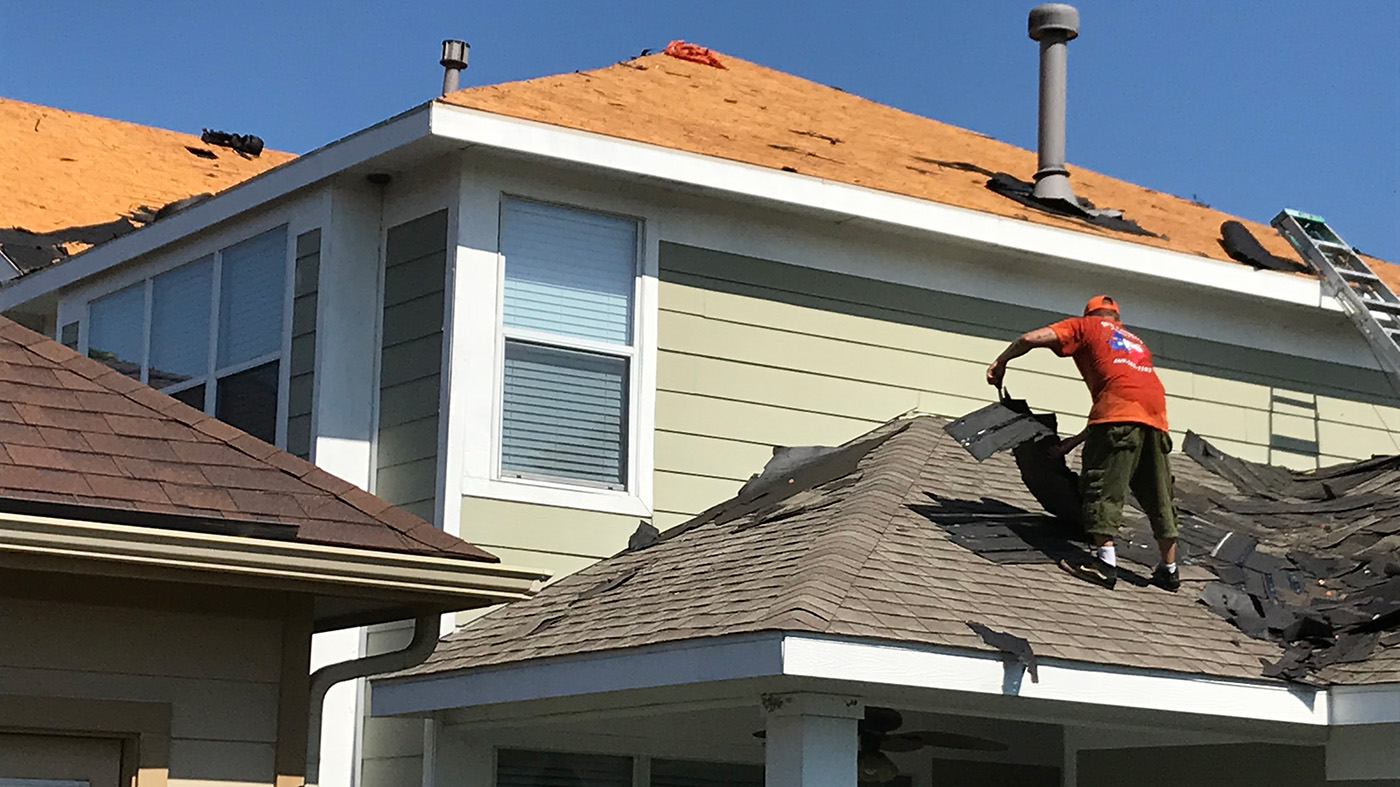
A written roof repair scope should answer a practical question: what work are you being asked to approve? For your Longhorn roofing conversation, request more than a total and a phrase such as “repair leak.” Ask for the location, inspection findings, proposed work, materials, exclusions and a process for discussing changes.
Use the questions below to compare proposals for the same concern. Keep inspection photographs and written answers together, and request clarification before choosing. Leave roof access and roof work to the contractor; focus your review on whether the explanation addresses your concerns.
Identify the location and inspection evidence
Ask the contractor to name each proposed repair location using descriptions you recognize, such as the rear roof slope near a particular vent. Request an annotated photograph or sketch connecting each location to its written line item. The purpose is to make the proposed work easy to locate in the inspection record.
- Which photograph supports each repair recommendation?
- What did you observe, and what remains a suspected explanation?
- Which areas did you inspect, and which could you not assess?
- Are further observations needed before you can define the work?
Ask for a distinction between the condition you reported and the condition the contractor proposes to address. If your concern is an interior stain, request a written explanation connecting that concern to the proposed roof work. Ask what evidence supports the explanation and what questions remain unanswered.
Define where the repair starts and stops
Request a separate description for each repair area, including the proposed quantity and its unit of measurement. Ask whether that quantity is a firm scope boundary or an initial estimate subject to further inspection. Use these details as a consistent basis for follow-up questions across proposals.
For asphalt shingles, the Pacific Northwest National Laboratory guide describes the roof covering as installed over underlayment.
Use that distinction from the PNNL asphalt-shingle guide to ask whether the proposal addresses only the covering or includes work beneath it. Request a property-specific explanation of what is included.
- What will be removed, retained and replaced in each location?
- What quantities are included for each part of the work?
- How will the repair meet the surrounding existing materials?
- What finding would lead you to recommend a different repair boundary?
Ask the contractor to mark optional work separately. If one proposal includes a broader area, request the inspection reason for that difference before comparing totals. Record whether the broader work addresses your original concern or a separate recommendation.
Name the materials and proposed approach
Request product names, manufacturers and identifying details where products have been selected. Where selection is pending, ask what remains undecided and when you will receive the final information. Review those details before authorizing the work.
PNNL explains that different asphalt shingle types have specific installation features.
Ask which manufacturer instructions the contractor intends to follow for the proposed product and how the scope reflects that choice. Request an explanation suited to your decision, including any product selection you still need to make.
- Which products are included, and which existing products will remain?
- How will you evaluate the proposed materials for use with the existing roof?
- What appearance differences should I review before choosing?
- If a named product is unavailable, how will you present a substitute?
Request proposed substitutions in writing, with the product name and any resulting scope or total change. Keep your selection alongside the original proposal so you have a record of what you reviewed.
Give flashing and valleys their own questions
PNNL's guide to flashing existing roof penetrations explains that openings for items such as vents and chimneys are potential water-entry locations.
If your proposed repair involves one of these locations, request a separate description of the flashing assessment and proposed work. The PNNL guide to existing roof penetrations provides background for that discussion.
PNNL's valleys and penetrations guide identifies roof valleys as particularly vulnerable to water intrusion.
For work involving a valley, use the PNNL valleys and penetrations guide as context for asking what was inspected and which details the proposal includes.
- Which flashing components were inspected at the repair location?
- What is the reason for retaining, repairing or replacing each component?
- How will proposed flashing work connect with surrounding roof materials?
- What relevant details remain concealed, and how will you document them if exposed?
Request a location-specific answer to each applicable question. For a line item such as “seal around vent,” ask the contractor to describe the actual proposed work and identify the inspection finding behind it.
Set a process for unknowns and changes
Ask the contractor to list unresolved conditions separately from confirmed findings. For each unknown, request an explanation of what additional inspection or exposure would be needed to assess it. Establish how you will review any resulting recommendation before work begins.
- If additional work is proposed, what photographs and explanation will I receive?
- Will the revised description show quantities, materials and the added total?
- Who will contact me, and how will my decision be recorded?
- What is the proposed plan if I cannot make the decision immediately?
Request that the proposal identify allowances and explain what each covers. Ask how unused allowances or work beyond an allowance would be handled. Keep those answers with the scope so you can distinguish the initial proposal from later decisions.
Include exclusions and completion records
Ask for exclusions in plain language. Specifically discuss interior finishes, nearby gutters, siding, unrelated roof areas and other concerns raised during the inspection. Request an explicit answer about whether each concern is included, excluded or awaiting further assessment.
Also request the expected work sequence, access arrangements, property protection, debris removal and cleanup plan. Ask who will communicate schedule changes and answer questions during the project. For completion, request photographs tied to the original repair locations, a description of completed work and a record of approved changes.
Compare the clarified scopes
Place the proposals side by side and compare locations, quantities, materials, flashing work, exclusions, unknowns and completion records. Mark unanswered items for clarification. Give each contractor the same questions, then review whether the written responses explain the differences you identified.
To discuss your roof concerns, review Longhorn's roofing services and send a website inquiry. Describe your concern and request an inspection explanation with a written repair scope. Keep the proposal, photographs and clarifications together when deciding what work to authorize.